For a fishing tackle brand, adding a pair of fishing line cutters to the product range may seem like a straightforward decision. The product is compact, easy to carry, and useful across many fishing applications. But once you move from buying a standard item to developing a product under your own brand, several practical questions come up. Which blade design will suit your customers? Should you use an existing product or modify the handle and accessories? What needs to be confirmed before samples are approved for bulk production?
Custom fishing line cutters give brands a way to address these questions before committing to a product specification. Instead of choosing an item based on appearance alone, buyers can consider the fishing lines their customers use, the environments in which the cutters will be carried, the retail price they are targeting, and the brand presentation they want to achieve.
At MIDDIA, our ceramic cutting tool background provides a starting point for discussions about ceramic fishing scissors and private-label product development. Whether you are expanding an existing fishing tackle range or planning a new accessory, the first step is to define what the product needs to do and which details genuinely need customization.
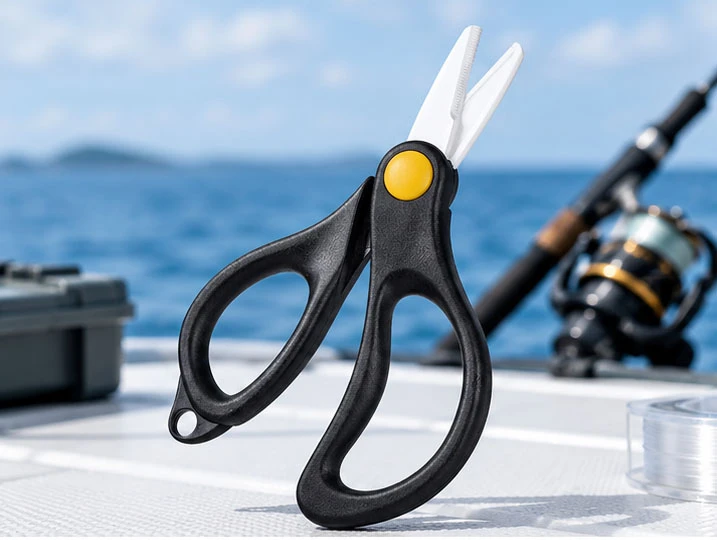
Why Fishing Tackle Brands Choose Custom Fishing Line Cutters
Build a More Distinctive Product Line
A standard fishing line cutter can perform its basic function, but it may look almost identical to products already sold by competing brands. For businesses developing a private-label range, this creates a familiar problem: how can a relatively small accessory become a recognizable part of the brand?
Customization offers several practical options. A brand may choose a particular handle color, add its logo, select suitable accessories, or develop packaging that matches the rest of its fishing tackle range. These changes do not automatically make a cutter perform better, but they can create a more consistent product identity across an assortment.
This matters particularly for brands selling through tackle shops, distributors, e-commerce stores, or their own websites. A consistent appearance can make it easier to group accessories into a coherent collection, while packaging can communicate the intended application and key product specifications.
Match the Cutter to the Target Fishing Market
Not every fishing customer uses the same line or carries tools in the same way. A lure angler working with braided PE line may have different expectations from someone preparing monofilament rigs or fishing from a saltwater boat. Some customers prioritize compact storage, while others want a cutter that can be attached to a tackle bag or fishing vest.
These differences should influence the product brief. Before choosing a model, consider the main line types, typical fishing conditions, frequency of use, and preferred carrying method. If the product is intended for saltwater applications, corrosion resistance is also an important consideration for metal components and accessories, even when the cutting blade itself is ceramic.
Defining the application early helps avoid unnecessary customization. A brand developing a general-purpose accessory may not need the same configuration as one targeting specialized fishing techniques.
Create a Clear Product Position
Product differentiation should be based on features that matter to the intended customer. For a ceramic fishing line cutter, this may include the blade material, cutting-edge configuration, handle design, portability, and resistance to corrosion under suitable use conditions.
Zirconia ceramic is valued for its high hardness and resistance to rust. However, ceramic is also relatively brittle compared with many metals, so blade geometry, handling, and impact protection matter. A brand should avoid making broad claims about cutting performance or service life without appropriate testing.
The goal is to build a product specification around real customer needs rather than adding features simply because they are available. A well-defined product is easier to evaluate, price, explain to retailers, and maintain across repeat orders.
What Can Be Customized in a Fishing Line Cutter?
The available customization options depend on the existing product platform, tooling, materials, order quantity, and manufacturing requirements. Some projects only need a logo and retail packaging. Others may require changes to the blade configuration, handle appearance, or accessories. Discussing these options separately makes it easier to identify what is essential and what can be left unchanged.
1. Ceramic Blade Material and Edge Design
The blade is the working part of the cutter, so its intended application should be established before appearance-related details are finalized. Zirconia ceramic blades are an option for brands seeking a rust-resistant cutting alternative to conventional metal blades.
Blade geometry and edge configuration also deserve attention. A straight edge and a serrated edge are not interchangeable design choices, and their suitability depends on the product construction and the lines the cutter is expected to handle. The direction, depth, and placement of serrations may affect how a line engages with the cutting edge.
During product development, buyers should identify the primary line types, such as PE braided line, monofilament, and fluorocarbon. Samples should then be tested using representative line diameters and constructions. A cutter that works well on one line should not automatically be assumed to deliver the same result on every other type.
Blade alignment, closing action, edge finish, and consistency between samples are also worth checking. If a project requires a new blade shape or a significant structural change, the manufacturer should first confirm technical feasibility, tooling implications, development costs, and expected production quantities.
2. Handle Color, Shape, and Grip
The handle is one of the most visible parts of a fishing line cutter and an important part of its everyday usability. Depending on the product platform, brands may be able to discuss custom handle colors, a preferred color combination, or adjustments to the visual details.
Color selection should consider the brand's existing product range as well as the conditions in which the cutter will be used. A bright handle may be easier to spot among tackle on a boat, while a more restrained color scheme may suit a premium accessory collection. These are product-positioning decisions rather than universal rules.
Shape and grip require more careful evaluation. The handle should allow the intended user to open and close the cutter comfortably, with enough control for the expected cutting task. Changes to dimensions or structural features may affect tooling, assembly, and production feasibility, so they should not be treated as simple cosmetic adjustments.
When reviewing samples, check whether the handle feels secure in the hand, whether the cutting action is controlled, and whether the finished product matches the approved design. If the cutter will be used frequently with wet hands, that condition should be included in the evaluation.
3. Logo and Brand Identification
For private-label projects, logo placement is often one of the first customization requests. Depending on the material and product construction, possible approaches may include printing, marking, or other suitable identification methods. The available process should be confirmed for the selected model rather than assumed to work on every surface.
Before approving a sample, confirm the logo artwork, placement, size, color, and readability. Small curved surfaces can limit the amount of information that can be displayed, so a simple mark may work better than a detailed graphic. If the brand uses the same visual identity across scissors, pliers, line accessories, and tackle storage, consistency can also help the products look like part of one range.
Packaging is another place to communicate the brand name, product description, intended use, and relevant specifications. Keep technical claims accurate and avoid promising performance that has not been verified. A clear, honest presentation is more useful to retailers and end customers than a package crowded with unsupported superlatives.
4. Attachments and Portability
How customers carry a cutter can influence which accessories make sense. Depending on the model and project requirements, brands may consider a retractable tether, a carabiner, or another suitable attachment for a tackle bag, vest, or storage area on a boat.
These accessories should be assessed as part of the complete product rather than as an afterthought. A tether needs to be practical for the intended use, and an attachment should not interfere with opening, closing, or safely storing the cutter. Saltwater buyers should also consider the corrosion resistance of any metal hardware.
MIDDIA's existing product range can provide a reference point for discussions about ceramic fishing scissors with carrying accessories. Starting with an existing configuration may simplify evaluation, while more substantial changes need to be checked against the product's structure and manufacturing requirements.
5. Retail Packaging and Private-Label Presentation
Packaging affects more than the first impression. It needs to protect the product during transport, present the item clearly at the point of sale, and provide the information expected by the intended sales channel. A product sold through a specialist tackle shop may have different packaging requirements from one shipped directly to online customers.
Depending on the project, options to discuss may include a retail box, blister card, printed product card, branded label, or other suitable packaging format. Buyers should consider the product dimensions, protection requirements, packaging artwork, barcode needs, and shipping volume before making a final selection.
Packaging customization can also introduce additional costs and minimum order requirements. Confirm whether printing, packaging assembly, and artwork preparation are included in the quotation, and whether the packaging can be reordered independently when replenishing stock.
For a first launch, a practical approach is to prioritize the details that customers will notice and use. A clear product identity, appropriate protection, and accurate specifications are generally more useful than unnecessary packaging complexity.
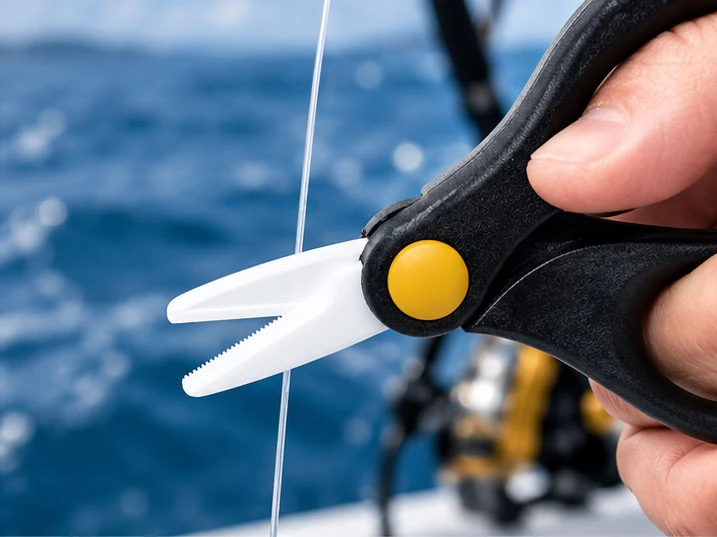
Which Customization Route Is Right for Your Brand?
Not every brand needs a completely new fishing line cutter. The right development route depends on how different the product needs to be, how quickly it must reach the market, and how much development work the project can support.
Private Label: Start with an Existing Product
Private label is often a practical starting point for brands that want to introduce a cutter under their own name without developing an entirely new design. Depending on the selected model, the project may focus on logo application, color choices, and retail packaging.
This route can reduce the amount of product development required, but buyers still need to confirm the specification, sample quality, available customization options, and order conditions. An existing product should not be assumed to support every requested change.
Modified OEM: Adjust an Existing Configuration
A modified OEM project may suit a brand that likes an existing cutter but needs selected changes. These might include handle colors, carrying accessories, branding details, packaging, or other technically feasible modifications.
The important step is to separate cosmetic changes from changes that affect the product's construction or performance. The latter may require additional evaluation, tooling, or testing. A clear list of requested changes helps the manufacturer assess the project more accurately.
ODM or New Product Development
A deeper development project may be appropriate when an existing model cannot meet a clearly defined product requirement. The brand may need a different structure, a new configuration, or a design developed around a particular application.
This route generally requires more detailed communication and may involve design review, sample iterations, technical validation, and additional development costs. Before proceeding, discuss the available engineering resources, ownership of design work, tooling arrangements, development schedule, and commercial terms.
For many brands, the most efficient approach is to begin with the closest existing product and identify exactly where it falls short. If the gaps can be addressed through reasonable modifications, a complete redesign may not be necessary. If they cannot, a new development project can be evaluated with a clearer understanding of the requirements.
How to Develop a Custom Fishing Line Cutter: From Brief to Production
A successful custom fishing line cutter project starts with a clear product brief, not a long list of features. The more accurately a brand defines the intended application and commercial requirements, the easier it becomes to evaluate suitable models, review samples, and prepare for repeat orders.
Step 1: Define the Product Brief
Begin with the customer and the fishing application. Identify the main market, the sales channel, the line types the cutter should handle, and the product position within your range. A compact accessory for recreational anglers may have different priorities from a tool intended for frequent use by experienced saltwater anglers.
It also helps to establish an approximate retail price range and expected order quantity. These details provide context for decisions about materials, accessories, packaging, and the degree of customization that makes commercial sense.
Step 2: Confirm the Product Configuration
Once the requirements are clear, review available product models and identify the features that need to change. Specify the preferred blade configuration, handle color, logo placement, attachments, and packaging. Reference photographs, sketches, existing product samples, and brand guidelines can all help communicate the intended result.
Separate essential requirements from preferences. For example, cutting performance on a particular braided line may be a functional requirement, while a specific handle color may be a branding preference. This distinction helps the manufacturer evaluate feasibility and prioritize the work.
Step 3: Request and Review Samples
A sample provides an opportunity to evaluate the actual product rather than relying on photographs or a specification sheet alone. Check the cutting action, blade alignment, handle comfort, opening and closing movement, and overall finish. If the project includes custom branding or packaging, review those details at the same stage.
For ceramic fishing scissors, test the cutter against representative line samples used by your target customers. Record the line type and diameter, the cutting conditions, and any observations about clean cutting, fraying, or the need for repeated attempts. These details are more useful than a general statement that the cutter feels sharp.
Step 4: Validate Specifications Before Approval
Once the sample is accepted, document the approved product configuration. Include the relevant dimensions, blade and handle specifications, logo artwork, accessories, packaging requirements, and agreed quality criteria. If a sample has been modified during evaluation, make sure the approved version is clearly identified.
It is also sensible to define how the finished product will be inspected. The checks should reflect the actual risks of the product, including blade alignment, closing action, visible defects, branding accuracy, and packaging condition. For ceramic blades, handling and protection requirements deserve particular attention because high hardness does not mean unlimited impact resistance.
Step 5: Confirm the Order and Production Plan
Before bulk production begins, confirm the final quotation, minimum order quantity, production lead time, payment terms, shipping arrangements, and inspection requirements. Make sure both parties are working from the same approved specification and packaging artwork.
For repeat orders, retain the approved sample and relevant product documentation as references. If a future order requires a material, accessory, or design change, document that change instead of assuming the new version is identical to the original. This helps reduce avoidable discrepancies between batches.
Why Sample Testing Matters for Ceramic Fishing Scissors
Ceramic fishing scissors should be evaluated according to their intended use, not simply their material label. A blade may be highly resistant to rust yet still perform differently depending on its geometry, edge condition, alignment, and the type of fishing line being cut.
For a brand preparing to launch a new product, practical testing should answer three questions: Does the cutter handle the intended line types? Is it comfortable and convenient to use? Does the finished product meet the agreed quality and appearance requirements?
It is also worth evaluating storage and transport. A suitable protective arrangement can help reduce accidental impact on the ceramic blade, while a secure closure or carrying solution may improve everyday handling. Testing should follow reasonable operating conditions rather than using bending, prying, or impact as substitutes for normal cutting tasks.
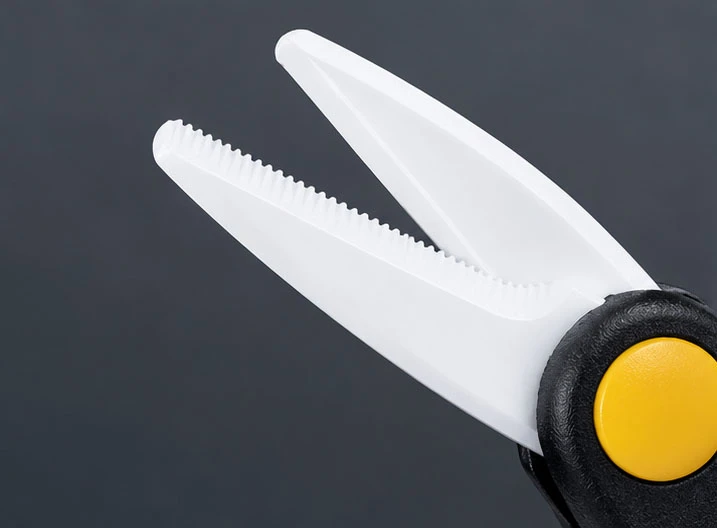
What Should You Confirm Before Requesting an OEM Quote?
A useful quotation depends on having enough information to identify the product, estimate the production requirements, and understand the scope of customization. Buyers do not need a finished technical drawing for every project, but they should provide as much practical detail as possible.
Prepare These Details Before Contacting a Manufacturer
Target market and sales channel: Identify the country or region, intended customer, and whether the product will be sold through retailers, distributors, or online stores.
Intended fishing applications: Explain whether the cutter is designed primarily for braided PE line, monofilament, fluorocarbon, or a combination of line types.
Reference product: Share a model, photograph, sample, or brief description of the product you want to develop.
Customization requirements: List the required blade configuration, handle color, logo, accessories, and packaging details.
Estimated order quantity: Provide an initial quantity estimate and, if possible, an indication of expected repeat orders.
Sample requirements: Explain how many samples you need and which features or performance criteria must be evaluated.
Target launch date: Give the expected launch or delivery window so that development and production timing can be assessed.
Quality and documentation needs: Identify any inspection criteria, packaging specifications, labeling requirements, or market-specific documentation that must be confirmed.
Clarify the Commercial Terms
Once the product scope is understood, ask the manufacturer to clarify the minimum order quantity (MOQ), sample charges, sample lead time, customization costs, packaging costs, and estimated bulk production lead time. Also confirm whether tooling or setup fees apply to the requested changes.
Shipping terms, payment arrangements, and inspection procedures should be discussed before the purchase order is finalized. If the product requires a new design or tooling, clarify the commercial arrangements for that work and confirm the ownership and permitted use of relevant design files or tooling in writing.
MOQ and lead time can vary according to the product platform, customization method, packaging requirements, and order volume. It is better to request project-specific information than rely on a generic figure that may not apply to your product.
For buyers comparing several suppliers, make sure the quotations cover the same product specification and order quantity. A lower unit price may not represent a lower total cost if packaging, setup fees, accessories, or other requirements have been excluded.
Why Work with MIDDIA for Custom Ceramic Fishing Line Cutters?
Choosing a manufacturing partner for a private-label fishing accessory involves more than finding a supplier that can apply a logo. The partner needs to understand the product requirements, communicate which changes are feasible, and help establish a specification that can be evaluated before bulk production.
Ceramic Manufacturing Experience
MIDDIA's ceramic manufacturing background dates to 2010, providing a foundation for discussions about zirconia ceramic cutting tools and their applications. For fishing tackle brands exploring ceramic fishing scissors, this experience is relevant when evaluating blade materials, edge design, and the practical requirements of a finished cutting tool.
Material expertise alone, however, is not a substitute for product validation. Each proposed configuration should be assessed according to its intended line types, blade construction, handling requirements, and agreed performance criteria.
Product Options for Different Fishing Applications
Different brands may need different combinations of blade configuration, handle appearance, carrying accessories, and retail packaging. Starting with an existing product can help buyers identify a suitable baseline before deciding whether additional changes are necessary.
For example, a brand focused on compact tackle accessories may prioritize portability and simple packaging. A retailer developing a coordinated fishing tool collection may place greater emphasis on color consistency, logo placement, and a unified retail presentation. The specification should reflect the intended customer rather than follow a single configuration for every market.
OEM and ODM Communication for Brand Projects
Brands can begin by sharing their target application, preferred product style, estimated quantity, and customization requirements. MIDDIA can then discuss the available product options and clarify which requests require further technical evaluation.
For projects that progress to sampling, the objective is to establish a product that meets the agreed requirements and can be evaluated before a bulk order is placed. The precise scope of customization, development costs, minimum quantities, and production schedule should be confirmed individually for each project.
If you are still comparing product concepts, a reference image and a short description of your target market are useful starting points. If your product specification is already established, providing the quantity and packaging requirements can help move the discussion toward a more specific quotation.
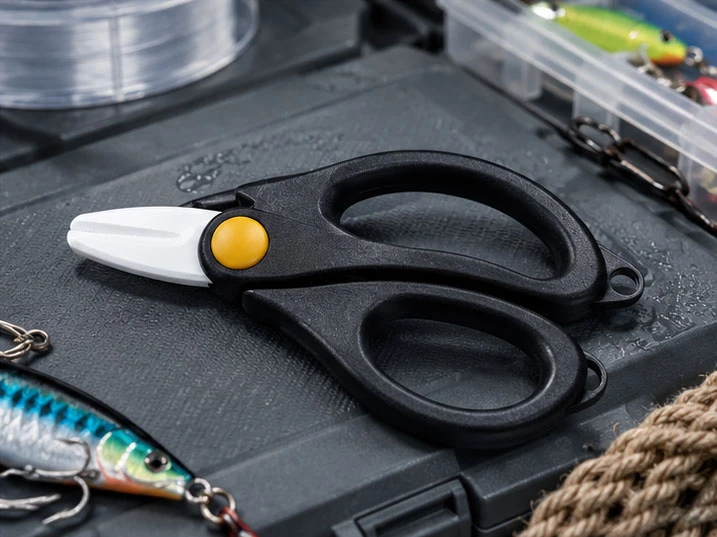
Frequently Asked Questions About Custom Fishing Line Cutters
Q1. Can I order fishing line cutters with my own logo?
Yes, private-label branding can be discussed for suitable product models. The available logo application method depends on the product's surface, material, and construction. Provide your artwork and preferred placement so the manufacturer can confirm feasibility and any associated costs before sample approval.
Q2. Can I customize the handle color and packaging?
Handle color and retail packaging are common areas to discuss in a custom fishing line cutter project. Available options, minimum quantities, printing requirements, and costs depend on the selected model and the requested changes. Confirm these details before finalizing the product specification.
Q3. Can I request samples before placing a bulk order?
Sample evaluation is an important step in product development. Buyers should confirm sample availability, cost, and lead time with the manufacturer. Once samples are received, test the cutter on the intended line types and inspect its handling, construction, branding, and packaging before approving the final specification.
Q4. What is the difference between private label, OEM, and ODM fishing scissors?
Private label generally involves selling an existing product under your own brand. OEM projects may include selected changes to an existing product, depending on the manufacturer's capabilities and the agreed scope. ODM or new product development involves a deeper design or configuration process. The boundaries can vary between suppliers, so clarify exactly what is included in each proposal.
Q5. What information do I need to request a quotation?
Provide the intended application, reference product, required customization, estimated order quantity, logo and packaging requirements, and target delivery window. If cutting performance is important for a particular type of line, specify the line material and diameter where possible. The more clearly you define the requirements, the easier it is to assess the appropriate product and prepare a relevant quotation.
Q6. Can MIDDIA develop ceramic fishing scissors for different fishing markets?
Different fishing markets can be considered through product selection and project-specific customization discussions. Requirements may vary by line type, carrying method, operating environment, branding, and retail presentation. The feasibility of a particular design or feature should be confirmed against the selected product and its manufacturing requirements.
Let's Develop Your Custom Fishing Line Cutter
If you are planning a private-label fishing accessory, expanding an existing tackle range, or evaluating ceramic fishing scissors for your brand, start with the product requirements that matter most to your customers.
Share your target line types, preferred product style, branding requirements, packaging needs, and estimated order quantity with MIDDIA. We can discuss suitable product options, the scope of customization, and the next steps for sample evaluation and bulk order planning.
Ready to discuss your project? Visit our Get a Quote page to submit your requirements and start a conversation about custom ceramic fishing line cutters for your brand.
Planning Custom Fishing Line Cutters for Your Brand?
Developing a custom fishing line cutter involves more than adding a logo. Blade configuration, handle design, carrying accessories, and retail packaging all need to match your target customers and product requirements.
MIDDIA works with fishing tackle brands, distributors, wholesalers, and private-label businesses on ceramic fishing scissors and OEM/ODM projects. Share your target market, preferred product style, branding requirements, and estimated order quantity to discuss suitable options, sample evaluation, and production requirements.
Discuss Your Custom Project
