Developing a new fishing tool for your brand involves much more than choosing a product, adding a logo, and placing an order. Before a product is ready for the market, its intended use, materials, functional requirements, design details, packaging, and production quality all need to be worked out. A decision made during the early stages can affect manufacturing cost, sample performance, delivery schedules, and the consistency of future orders.
For fishing tackle brands, distributors, wholesalers, and private-label sellers, working with a fishing tool OEM manufacturer can make product development more manageable. The key is to establish a clear process that connects the original product concept with a specification that can be manufactured, tested, approved, and reproduced at scale.
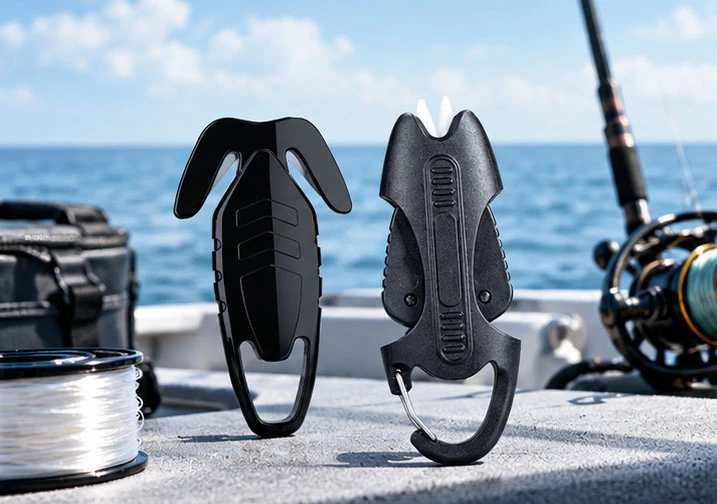
Ceramic fishing scissors and line cutters provide a useful example. A buyer may want a compact cutter for braided PE line, a corrosion-resistant option for saltwater fishing, or a customized tool that fits an existing tackle collection. Each goal involves different decisions, from blade configuration and handle design to sample testing and packaging.
This guide explains how a fishing tool OEM project typically moves from product design to mass production, what buyers should prepare at each stage, and how to reduce avoidable problems before committing to a bulk order.
1. Define Your Product Concept Before Contacting an OEM Manufacturer
A successful OEM project starts with a clear understanding of the product's purpose. You do not necessarily need a finished engineering drawing before contacting a manufacturer. However, you should be able to explain who will use the product, what it needs to do, and how it will fit into your existing product range.
Identify Your Target Customers and Market Position
A fishing tool designed for occasional freshwater anglers may have different priorities from one intended for offshore fishing or a premium tackle collection. Before discussing specifications, consider the customers you want to reach and the conditions in which they are likely to use the product.
For example, an entry-level fishing scissors product may prioritize practical functionality, simple packaging, and an accessible retail price. A premium product may place greater emphasis on cutting performance, handling comfort, material selection, appearance, and the overall presentation of the brand.
Your sales channel also matters. Products sold through fishing tackle distributors may need packaging suitable for retail display and straightforward inventory management. Products sold through an e-commerce store may require compact packaging, clear product information, and images that communicate the main benefits quickly.
It helps to establish a few basic commercial parameters before development begins:
Target market: Freshwater fishing, saltwater fishing, offshore use, or general fishing tackle.
Product positioning: Entry-level, mid-range, premium, or application-specific.
Sales channel: Retail distribution, wholesale, online sales, or inclusion in a larger tackle kit.
Target retail price: The approximate price range you expect customers to accept.
Initial order expectations: Your estimated order quantity and plans for future replenishment.
These details help an OEM fishing tool manufacturer assess whether an existing product, a modified design, or a more substantial development project is the most suitable starting point.
Decide What the Product Needs to Do
General descriptions such as “high quality,” “durable,” or “sharp” are not enough to guide product development. Translate these expectations into practical requirements wherever possible.
For custom fishing scissors, the intended cutting applications are a good place to start. Will the product mainly cut braided PE line, monofilament, fluorocarbon, or a combination of line types? Does the customer need a compact tool for everyday tackle use, or a cutter intended for frequent use in a saltwater environment?
Other considerations include the grip, portability, opening and closing action, blade configuration, and ease of handling. A design that works well for one application may not be the best choice for another. The goal is not to add as many features as possible, but to identify the features that matter to your intended customers.
For ceramic fishing scissors, buyers should also consider the relationship between blade material and the complete product design. Zirconia ceramic can be a suitable option for applications where a hard, corrosion-resistant cutting edge is desirable. However, the final cutting result still depends on factors such as blade geometry, edge condition, alignment, and the type of line being cut.
Prepare a Basic Product Brief
A useful product brief gives the manufacturer enough information to assess feasibility without forcing the buyer to solve every engineering question in advance.
Include reference photographs, an existing sample, a sketch, or a description of the product you have in mind. If you are developing a product based on an existing model, identify which features you want to retain and which need to change.
It is also helpful to provide the intended market, target price range, estimated order quantity, branding preferences, packaging requirements, and expected launch date. If a particular dimension, material, or functional feature is essential, mark it as a requirement rather than a preference.
A short, well-prepared brief can prevent unnecessary back-and-forth later. It also gives both parties a common reference when discussing quotations, samples, and production feasibility.
2. Choose the Right OEM Development Route
Not every fishing tool project needs to start from a blank sheet of paper. In many cases, using an established product as a starting point is more practical. The right approach depends on how much differentiation your brand needs, what the product must achieve, and how much development time and investment the project can support.
Private Label: Start with an Existing Product
Private-label development is often the simplest route when the existing product already meets the main functional requirements. Depending on the model and manufacturer's capabilities, customization may focus on logo placement, available handle colors, product presentation, and retail packaging.
This approach can suit distributors entering a new product category, e-commerce sellers testing demand, and established brands expanding their range without developing an entirely new structure.
The main advantage is that the project begins with an existing product rather than an untested concept. There may be less need for structural development, although samples should still be evaluated and all customized details confirmed before production.
The limitation is differentiation. If competing sellers offer similar products, a logo alone may not provide a strong reason for customers to choose your version. Product selection, packaging, positioning, and any meaningful functional improvements therefore deserve attention from the beginning.
Modified OEM: Customize Selected Product Features
A modified OEM project starts with an existing model but introduces specific changes to meet the buyer's requirements. For fishing scissors, these changes might involve selected handle colors, branding details, packaging formats, or other available configuration options.
More substantial changes may be possible, but they need to be evaluated individually. Altering a blade configuration, component, or structural feature can affect product performance, manufacturing processes, tooling requirements, and cost. A change that appears minor on a drawing may require additional testing before it is approved for production.
Buyers should discuss which changes are technically feasible, which components are shared with existing models, and whether a modification requires a new sample or additional tooling. This helps distinguish straightforward customization from work that needs a separate development budget.
ODM or New Product Development
ODM or deeper product development may be appropriate when existing models cannot meet important requirements. The project may begin with a concept, reference product, drawing, or list of desired functions, followed by feasibility assessment and design refinement.
For a new ceramic line cutter, the manufacturer may need to consider the relationship between the blade geometry, handle structure, assembly method, intended line types, and manufacturing process. If new tooling or custom components are necessary, these requirements should be discussed before the buyer commits to a production plan.
A more customized product can provide greater differentiation, but it also introduces more decisions and potential development costs. The design may need several rounds of sampling, and changes made late in the process can affect the project schedule.
How to Decide Which Route Fits Your Business
Private label is generally worth considering when the priority is to launch an existing product under your brand. Modified OEM is a practical option when a proven model meets most requirements but needs selected changes. Deeper ODM development makes more sense when the desired product cannot be achieved through available models or standard customization.
Before choosing, compare the expected commercial benefit with the additional cost, complexity, and time involved. A distinctive feature is only useful if it matters to the target customer and can be manufactured consistently at a commercially reasonable cost.
3. Translate the Product Brief into a Manufacturable Specification
Once the development route has been agreed, the next step is to turn the product concept into a specification that both the buyer and manufacturer can understand. This is where broad ideas become concrete requirements for design, sampling, inspection, and production.
Confirm the Product Structure and Key Components
Start by identifying the main components and the functions they perform. For fishing scissors, relevant details may include blade configuration, handle structure, pivot design, fasteners, and the way the blades open, close, and meet during cutting.
Each component should be considered in relation to the finished tool. A handle may look attractive but still need to provide sufficient grip and control. A blade must be suitable for the intended cutting application, while the assembled product should operate consistently without unwanted looseness or interference.
For ceramic-bladed tools, the design also needs to account for the characteristics of the blade material. Ceramic is hard and can provide useful cutting properties, but it is not immune to damage from impact, unsuitable loading, or mishandling. The blade geometry, support structure, assembly, and intended use should therefore be considered together rather than treating material selection as the only performance decision.
Select Materials Based on Application Requirements
Material selection should follow the product's intended use, performance expectations, and target price. Different materials offer different combinations of hardness, toughness, corrosion resistance, processability, and cost. There is no single material that is automatically best for every fishing tool.
Zirconia ceramic is worth considering for fishing scissors where a hard cutting edge and resistance to rust at the blade itself are important. This can be particularly relevant to products intended for wet fishing environments. At the same time, buyers should assess the complete assembly rather than assuming that a ceramic blade makes the entire tool corrosion-proof.
Metal fasteners, pivots, springs, or other components may have their own corrosion considerations. Handle materials and finishes also need to suit the product's intended conditions. If saltwater use is a key selling point, discuss the relevant components and agree on how the finished product will be evaluated.
It is equally important to align material choices with the intended market. A premium specification may be justified for a specialized product, while a more cost-sensitive range may require a different balance. The objective is to meet defined performance needs without adding complexity that customers are unlikely to value.
Define Measurable Quality Requirements
Specifications become more useful when they explain how the finished product will be evaluated. Instead of asking for “excellent cutting performance,” identify the intended line types and agree on a practical test method. Rather than requesting “perfect appearance,” define acceptable finish, logo placement, color, and visible-defect criteria.
| Requirement | What to Define or Check |
|---|
| Cutting performance | Intended line types, test conditions, and agreed acceptance criteria. |
| Blade alignment | Blade positioning, contact, and closing action. |
| Handle and assembly | Fit, stability, grip, and opening and closing operation. |
| Appearance | Color, surface finish, visible defects, and logo placement. |
| Packaging | Pack contents, product protection, labels, and barcode details. |
Not every project requires a complicated technical document. The level of detail should match the product's complexity and the consequences of a failure. The important point is to agree on what acceptable means before samples are approved and bulk production begins.
Separate Essential Requirements from Preferences
Buyers often have a mixture of must-have features and ideas that would be nice to include. Keeping these separate makes development decisions easier.
Essential requirements might include the ability to cut specified fishing lines, a particular overall size, or a handle design needed for safe and practical use. Preferences might include a secondary color, a decorative finish, or a packaging feature that can be changed if it pushes the project beyond the target budget.
When the manufacturer identifies a technical or cost constraint, this distinction helps both sides find a workable alternative without compromising the product's essential purpose. Any agreed changes should be recorded so the final sample, quotation, and production specification remain consistent.
A good specification describes what the finished product must achieve, not simply what it should look like. It becomes the reference point for prototype evaluation, final approval, and quality control throughout mass production.
4. Develop and Evaluate the First Prototype
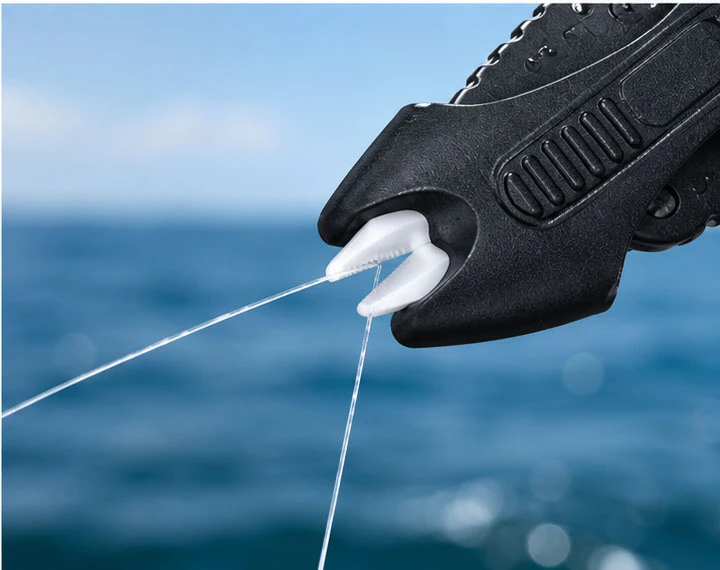
A sample is the first opportunity to assess how the proposed design works as a physical product. It can reveal issues that are difficult to identify from photographs, sketches, or written specifications alone. The purpose of this stage is not just to approve a product quickly, but to identify and resolve important problems before they become more expensive to correct.
Prepare the First Sample
The first sample depends on the development route. A private-label project may begin with an existing model, while a modified OEM project may require a sample incorporating selected changes. A new product may need an initial prototype before the design is ready for more formal evaluation.
Before the sample is prepared, confirm which version is being evaluated and what the sample is expected to demonstrate. If the sample uses temporary components, an unfinished logo, or packaging that is not yet final, record those differences. Otherwise, the buyer may mistake an incomplete detail for an approved production feature.
Evaluate Functional Performance
For fishing scissors, functional testing should reflect the product's intended application. If the tool is designed for braided PE line, monofilament, and fluorocarbon, test the relevant line types rather than assuming that performance with one material proves suitability for all others.
Observe whether the cut is consistent, whether the blades align properly, and whether the tool opens and closes as expected. Assess handling comfort and control, too. A product may perform a basic cutting task but still feel awkward to use, particularly when the buyer intends to position it as a premium tool.
For ceramic blades, inspect for visible damage or chipping where appropriate and handle the sample according to its intended use. Test results should be recorded under defined conditions so that feedback is useful to the manufacturer. Statements such as “the scissors do not cut well” are less actionable than describing the line type, test method, observed result, and conditions in which the problem occurred.
Review Appearance and Brand Presentation
Functional performance is only part of the evaluation. Buyers should also inspect the handle color, surface finish, logo position, logo legibility, and overall appearance against the intended market position.
For retail products, the scissors and packaging should work as a single presentation. A premium product can lose some of its perceived value if the logo is poorly positioned or the packaging does not protect the tool properly. Conversely, elaborate packaging may add cost without providing much value for a product intended for bulk distribution.
Review these details together rather than approving the product and leaving branding until the last moment. If a logo or color needs to change, clarify whether that change affects the sample, production preparation, or packaging schedule.
Document Feedback and Revise the Sample
Sample feedback should be specific, prioritized, and linked to the agreed requirements. Separate essential corrections from optional refinements. This helps prevent repeated revisions driven by changing preferences after the main design has already been settled.
When a change is made, consider whether it affects other aspects of the product. A handle modification, for example, may influence grip or assembly. A blade-related change may require renewed cutting tests. The extent of re-evaluation should reflect the nature of the change rather than applying the same process to every minor adjustment.
Keep a record of the sample version, feedback, agreed revisions, and remaining open points. This provides a clear development history and makes it easier to determine when the product is ready for final validation.
A sample should not move forward simply because it looks right. It should meet the agreed functional, construction, and appearance requirements for the intended application.
5. Validate the Product and Approve the Pre-Production Sample
Initial sampling and final approval serve different purposes. Early samples help identify design issues and explore possible improvements. The pre-production sample establishes the product configuration that the buyer is prepared to order and that the manufacturer should use as the reference for mass production.
Test the Product Under Realistic Use Conditions
Validation should reflect the claims and applications planned for the finished product. For a general-purpose fishing line cutter, this may mean checking cutting performance across the intended line types and confirming that the tool operates consistently. For a product marketed toward saltwater anglers, the buyer may also want to evaluate relevant components under agreed wet-use or saltwater-exposure conditions.
Repeated opening, closing, and cutting checks may be appropriate when they reflect normal use. The test method, sample quantity, and acceptance criteria should be agreed in advance. Avoid selecting arbitrary test counts or exposure periods simply because they sound impressive; the method should be relevant to the product and supported by a clear evaluation plan.
Where a performance claim will appear on packaging or marketing materials, confirm that the claim is supported by suitable evidence. This is especially important when making statements about cutting performance, durability, or corrosion resistance.
Establish a Clear Sample Approval Process
Before approving the pre-production sample, confirm the final model, materials, dimensions, colors, blade configuration, logo artwork, and other relevant construction details. Packaging artwork and pack contents should also be confirmed if they form part of the order.
Keep an approved reference sample or a sufficiently detailed, controlled specification. Record the version and any agreed deviations. If a change is requested after approval, document it and assess whether the revised product requires another round of review.
This step is important because the phrase “same as the sample” can mean different things to different people if the sample version and acceptance requirements have not been recorded. A shared reference reduces ambiguity when the order moves from development into production.
Confirm Packaging and Retail Readiness
Packaging should be finalized early enough to support production and the intended launch date. Depending on the sales channel, options may include a retail box, blister card, pouch, or other suitable format. The right choice depends on product presentation, protection, shipping requirements, and target cost.
Confirm the logo artwork, product information, barcode, labels, pack quantity, and outer carton details where applicable. Sharp blades also require suitable protection during handling, storage, and transportation. If the product is sold as part of a tackle kit, check that the packaging and product dimensions work with the rest of the assortment.
Complete a Pre-Production Checklist
Before placing the project into mass production, make sure the major decisions have been closed out:
Product specifications and configuration are confirmed.
Functional and appearance requirements have been approved.
Branding, colors, and artwork are finalized.
Packaging and labeling details are confirmed.
Order quantity, quotation, and commercial terms are agreed.
Inspection requirements and acceptance criteria are documented.
Any remaining deviations or special instructions have been recorded.
Completing these steps does not remove every production risk, but it reduces the likelihood of avoidable misunderstandings. It also gives the manufacturer a clearer basis for production planning and quality checks.
6. Move into Mass Production with Defined Quality Control
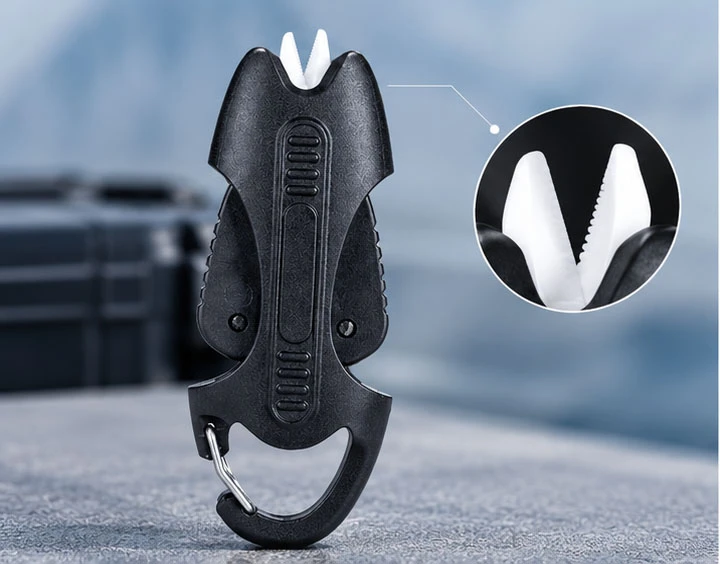
Once the pre-production sample has been approved, the project moves from product development to manufacturing. This is an important transition. A sample represents a particular product at a particular point in time, while a bulk order requires the manufacturer to reproduce the approved design across a much larger quantity.
For fishing tool OEM projects, quality control should not depend on a final visual check alone. Material consistency, component fit, assembly, cutting performance, and packaging all contribute to the finished product. The inspection process should reflect the risks associated with the product and the requirements agreed during development.
Incoming Material and Component Inspection
Quality control begins before the finished fishing tool is assembled. Relevant incoming materials and components should be checked against the approved specifications. The exact checks will depend on the product, but they may include dimensions, appearance, material identification, surface finish, and other characteristics that affect the final result.
For ceramic fishing scissors, the blade is only one part of the quality picture. The handle, pivot, fasteners, and other components can influence the tool's stability and operating feel. If the product is intended for saltwater fishing, components other than the ceramic blade also deserve attention because corrosion resistance depends on the complete assembly.
Buyers should discuss which components are critical to performance and how the manufacturer plans to verify them. Where material certificates or specific inspection records are required, these expectations should be agreed before the order is placed rather than introduced after production has started.
In-Process Quality Checks
In-process inspection helps identify problems while there is still an opportunity to correct them. Depending on the manufacturing process, relevant checks may take place during component preparation, assembly, adjustment, and finishing.
For scissors and line cutters, the relationship between the blades and the assembled structure is particularly important. Poor alignment, inconsistent assembly, or an unsuitable adjustment can affect the cutting action even when the individual components appear acceptable.
Checks should therefore focus on characteristics that matter to the finished tool. These may include blade positioning, opening and closing action, component fit, visible defects, and other product-specific requirements established during development.
The purpose is not to create paperwork for its own sake. It is to detect meaningful deviations early, reduce avoidable rework, and help keep production aligned with the approved sample.
Final Product Inspection
Before shipment, finished products should be checked against the agreed inspection requirements. Depending on the order, this may include functional checks, visual inspection, branding verification, packaging checks, and quantity confirmation.
For a ceramic fishing line cutter, functional inspection may focus on the intended cutting applications, blade alignment, and the operation of the assembled tool. Visual inspection may cover handle finish, logo placement, assembly defects, and visible blade damage. Packaging inspection should confirm that the correct product, labels, and pack contents are being prepared for shipment.
The inspection method and sample size should be appropriate for the order and the agreed quality plan. Buyers who require a particular sampling standard, inspection report, or third-party inspection should communicate that requirement in advance. No single inspection method is automatically suitable for every fishing tool project.
Maintain Consistency Across Repeat Orders
For brands and distributors, the first shipment is only part of the relationship. Repeat orders need to maintain the product characteristics that customers have already accepted. A product that changes noticeably between batches can create customer complaints, inconsistent reviews, and additional costs for the buyer.
The approved sample, final specification, and authorized artwork should remain the reference points for subsequent production. If a material, component, supplier, or manufacturing detail needs to change, the change should be assessed and documented according to its potential impact.
Buyers can support this process by maintaining clear product versions and communicating changes through an agreed channel. Manufacturers can support it by applying consistent inspection criteria and recording relevant production issues. Together, these practices help make repeat orders more predictable.
Mass production quality is not established by a single statement that a product has been inspected. It depends on clear requirements, appropriate controls, and a process for identifying and addressing deviations.
7. Coordinate Production Scheduling, Packaging, and Shipment
A product may be technically ready while the overall project is still unprepared for delivery. Packaging artwork may remain unfinished, labels may need approval, or the buyer may be working toward a fixed retail launch date. These details should be coordinated with manufacturing rather than treated as separate tasks at the end of the process.
Build the Timeline Around Project Milestones
A typical fishing tool OEM project moves through several stages: product briefing, feasibility review, specification confirmation, quotation, sample preparation, sample evaluation, final approval, production preparation, mass production, inspection, packing, and shipment.
Not every project follows exactly the same sequence. An existing private-label model may require fewer development steps than a new ceramic fishing scissors design. A project that needs custom tooling, several sample revisions, or specialized packaging may require additional time.
Rather than relying on a single estimated completion date, buyers should ask for a timeline built around the main project milestones. This makes it easier to identify which decisions need to be completed by the buyer and which activities depend on the manufacturer.
Sample approval deserves particular attention. If the buyer takes longer than expected to review a sample or finalize artwork, the production schedule may need to change. Agreeing on review responsibilities early can help both sides avoid unnecessary delays.
Coordinate Product and Packaging Readiness
Packaging can affect both the production schedule and the final presentation of a fishing tool. Logo files, color specifications, product information, barcode details, and pack quantities should be confirmed before they become urgent production requirements.
Buyers should also confirm how the finished product will be protected during handling and transport. Ceramic blades require appropriate protection against impact and contact with other items. The packaging should be suitable for the product's physical characteristics, not simply selected for its appearance.
If the product will be sold in multiple colors, models, or retail configurations, each version should be clearly identified. This reduces the risk of incorrect labels, mixed packaging, or confusion during inventory management.
Plan Delivery Around Your Launch Date
When planning a product launch, work backward from the date when stock needs to be available for sale or distribution. Allow time for sample evaluation, approval of artwork, production, inspection, and transportation.
It is important to distinguish the estimated production completion date from the shipment date and the final delivery date. These are different milestones, and international transportation may introduce additional variables depending on the destination, shipping method, customs procedures, and seasonal demand.
Confirm the agreed shipping terms, required documents, carton information, and delivery arrangements with the manufacturer. If your product is part of a seasonal fishing collection, discuss the schedule early enough to leave room for reasonable adjustments.
Good coordination does not guarantee that every project will run without delays. It does, however, make responsibilities clearer and gives both sides more time to respond when a decision or delivery milestone changes.
8. What Affects OEM Fishing Tool Cost and Project Feasibility?
The cost of a custom fishing tool depends on more than the number of units ordered. Product design, material selection, component requirements, sample development, branding, packaging, and production arrangements can all influence the final quotation.
For buyers comparing fishing tool OEM manufacturers, understanding these cost drivers is more useful than looking at the unit price in isolation. Two quotations may cover different product specifications, packaging levels, inspection requirements, or development work. Before comparing prices, make sure the products and services being quoted are genuinely comparable.
Existing Product Versus Custom Development
An existing model may require relatively limited changes, such as an available handle color, logo application, or customized packaging. A new design may require additional engineering work, sample iterations, custom components, or tooling.
These differences can affect both upfront development costs and the time needed to prepare the product for production. Buyers should ask which elements are included in the quotation and whether any development or tooling charges are separate from the unit price.
It is also worth considering the commercial value of the proposed customization. A distinctive feature that solves a real customer problem may justify additional development investment. A cosmetic change that has little effect on purchasing decisions may not provide the same return.
Material and Component Selection
Materials influence product performance, manufacturing requirements, and cost. The choice of blade material, handle material, fasteners, and other components should reflect the intended application and target price.
For ceramic fishing scissors, the blade specification and the design of the complete assembly both matter. If the project requires specific dimensions, a different blade configuration, or changes to the handle structure, the manufacturer should assess the technical implications before confirming the quotation.
When reviewing alternatives, avoid reducing the decision to the cheapest available material. A lower-cost option is only commercially attractive if the finished product continues to meet the agreed functional and quality requirements.
Branding and Packaging
Adding a logo to an existing product is different from developing a fully customized retail package. The final cost may depend on the branding method, artwork requirements, color options, packaging materials, and any special printing or assembly work.
Buyers should specify whether they need individual retail packaging, bulk packaging for distribution, or a product supplied as part of a larger fishing tackle set. These formats serve different commercial purposes and can have different cost implications.
It is also helpful to confirm whether packaging requirements introduce separate minimum quantities or purchasing commitments. Such details should be established during quotation rather than discovered after the product design has been approved.
Order Quantity and Production Planning
Order quantity can affect unit cost because manufacturing preparation, component purchasing, setup activities, and packaging arrangements may be distributed across different quantities. However, the relationship between quantity and cost is not identical for every product.
A larger order may improve some cost efficiencies, but it also requires more inventory investment and increases the consequences of a specification error. For a brand testing a new fishing tool category, the most appropriate initial quantity may therefore be different from the quantity planned after demand has been established.
Discuss the available order options with the manufacturer, including any minimum quantities associated with customized components or packaging. If you plan to order multiple models or colors, clarify whether the quoted quantity applies to the overall order or to each individual configuration.
Evaluate Total Project Cost, Not Just Unit Price
A realistic budget should account for the full project rather than the finished product alone. Depending on the arrangement, relevant costs may include sample development, tooling, product customization, packaging, inspection, transportation, and other agreed services.
Potential rework and delays also have commercial consequences, even if they do not appear as separate line items on a quotation. A clear specification and a properly approved sample can help reduce the risk of costly misunderstandings later.
When comparing quotations, ask each supplier to clarify what is included, what is excluded, which assumptions have been made, and which costs may change if the specification or order quantity changes. This creates a more reliable basis for evaluating the project.
9. Common OEM Mistakes That Can Delay a Product Launch
Many problems in custom product development do not come from a single major manufacturing failure. They arise from small uncertainties that remain unresolved until they begin affecting samples, production, or delivery. Recognizing these issues early can help buyers manage projects more effectively.
Starting Production Before Specifications Are Finalized
Changing product details after production preparation has begun can create rework, additional costs, and delays. Even a change that appears minor may affect components, artwork, packaging, or the inspection process.
Before approving mass production, confirm the product configuration and identify any unresolved decisions. If a change becomes necessary later, record it clearly and assess its impact before instructing the manufacturer to proceed.
Approving Samples Based on Appearance Alone
A sample may look attractive but still fail to meet the intended functional requirements. This is especially relevant to cutting tools, where blade alignment, cutting performance, assembly, and handling all contribute to the user experience.
Evaluate the sample against the requirements established at the beginning of the project. For fishing scissors, use representative line types and agreed test conditions instead of relying solely on a quick visual inspection or a single informal cutting demonstration.
Treating Packaging as an Afterthought
Late packaging decisions can delay production even when the product itself is ready. Artwork approval, barcode information, labels, pack quantities, and carton specifications should be included in the project plan.
Packaging also needs to protect the product. For ceramic-bladed fishing scissors, appropriate protection during storage and transport is particularly important. A package that looks good but does not adequately protect the blade may create avoidable quality issues.
Changing Materials or Components Without Revalidation
Changes to materials, components, or manufacturing details may affect the finished product in ways that are not immediately visible. A different component may alter assembly, operating feel, corrosion performance, or another requirement established during development.
Not every change requires a complete new development cycle. However, changes affecting critical characteristics should be assessed, documented, and tested where necessary before the revised product is accepted for production.
Failing to Define Acceptance Criteria for Bulk Orders
If the buyer and manufacturer have different interpretations of acceptable quality, disagreements may arise during final inspection or after delivery. Terms such as “premium finish,” “sharp blade,” and “high durability” are open to interpretation unless they are connected to clear requirements.
Define the relevant inspection items, functional expectations, appearance requirements, and packaging details before placing the order. For any special testing or inspection procedure, agree on the method and acceptance criteria in advance.
A well-managed OEM project does not eliminate every uncertainty. It makes the important decisions visible early, assigns responsibility for resolving them, and establishes a clear basis for approving the finished product.
10. How MIDDIA Supports Custom Ceramic Fishing Tool Development
For brands developing ceramic fishing scissors or customized line cutters, choosing a suitable product is only the beginning. The project also needs to connect the intended application with the right configuration, branding requirements, sample evaluation, and production expectations.
MIDDIA focuses on ceramic cutting products and can discuss OEM and ODM requirements for ceramic fishing tools. The appropriate development route depends on the requested model, the level of customization, the intended market, and the technical requirements of the project.
Start with Your Product Requirements
You do not need a complete technical drawing to start a discussion. Reference photos, an existing sample, a product concept, or a description of your target customers can provide a useful starting point.
For a fishing scissors project, it helps to explain which fishing lines the product is intended to cut, whether saltwater use is important, what type of handle or product configuration you prefer, and how the tool will be positioned in your range.
Providing an estimated order quantity, target price range, branding requirements, and intended launch schedule can also help establish the commercial context. With this information, the next step is to discuss suitable existing models or determine whether further customization needs to be evaluated.
Review Customization Options for Your Brand
Depending on the selected model and project requirements, customization may involve available handle colors, logo application, product presentation, and retail packaging. More substantial changes should be reviewed individually to determine their feasibility, cost implications, and potential impact on development time.
For ceramic fishing scissors, product decisions should remain connected to functional performance. A design intended for braided line, for example, should be evaluated against the relevant cutting requirements rather than selected on appearance alone.
The aim is to establish a product that fits your brand while remaining suitable for manufacturing and practical use. Confirming the key requirements early helps avoid spending time on features that do not support the product's intended purpose.
Establish a Clear Route from Samples to Production
Before moving into production, the product configuration, branding, packaging, and relevant quality requirements should be confirmed. Sample evaluation provides an opportunity to identify issues and clarify expectations before they affect a larger order.
For buyers, this means providing specific feedback and approving the final version deliberately. For the manufacturing side, it means having a clear reference against which the production product can be evaluated.
The exact development steps depend on the project. An existing model with simple branding requirements will not need the same process as a product requiring substantial structural changes. A practical plan should reflect the actual work involved instead of promising the same timeline or development route for every order.
Discuss Your OEM Ceramic Fishing Tool Project with MIDDIA
Whether you are adding ceramic fishing scissors to an established tackle range or exploring a customized line cutter for your own brand, the first step is to define the product requirements and determine which development route makes sense.
When contacting MIDDIA, consider sharing the following information:
Your target market and intended customers.
Reference photos, an existing sample, or a product concept.
Required cutting applications and preferred product configuration.
Logo, color, and packaging requirements.
Estimated order quantity and target launch schedule.
These details help establish a more productive discussion about product suitability, customization options, sample evaluation, and production planning.
Planning Your Next Fishing Tool OEM Project?
Developing a private-label ceramic fishing scissors line or adding a customized line cutter to your existing tackle range? MIDDIA can discuss your product requirements, branding options, sample needs, and production plans.
Share your product concept, reference photos, target quantity, and intended market to start the discussion.
Discuss Your OEM Project
Frequently Asked Questions About Fishing Tool OEM
Q1. What Is the Difference Between OEM, ODM, and Private-Label Fishing Tools?
Private-label projects typically use an existing product with branding and packaging customized for the buyer. Modified OEM projects adapt selected features of an existing model to meet specific requirements. ODM or new product development involves a greater degree of design and engineering work. The most suitable approach depends on how much differentiation the buyer needs, the available budget, and the technical requirements of the finished product.
Q2. Can I Customize an Existing Ceramic Fishing Scissors Model?
Customization depends on the selected model and the manufacturer's available options. Potential changes may include logo application, available handle colors, and retail packaging. More substantial changes to the blade, structure, or components require a separate feasibility assessment. Buyers should confirm which options are available, whether additional tooling is needed, and how proposed changes may affect sample evaluation and production cost.
Q3. What Information Should I Provide to Start a Fishing Tool OEM Project?
Start with your target market, intended application, reference photos or samples, preferred product configuration, estimated order quantity, and branding requirements. A target price range and intended launch date are also helpful. You do not need to prepare a complete engineering drawing for every project, but clearly identifying essential requirements and optional preferences will help the manufacturer assess feasibility and recommend a suitable development route.
Q4. How Are Fishing Tool Samples Evaluated Before Mass Production?
Samples should be assessed against the agreed functional, structural, and appearance requirements. For fishing scissors, this may include cutting tests with the intended fishing line types, blade alignment, opening and closing action, handle comfort, visible defects, and branding details. Once the final configuration is approved, the buyer and manufacturer should retain a clear reference sample or controlled specification for production and inspection.
Q5. How Can Buyers Help Maintain Consistent Quality Across Bulk Orders?
Approve a clearly defined product specification, document the final sample version, and establish inspection criteria before production begins. Relevant material, assembly, functional, appearance, and packaging requirements should be checked according to the agreed quality plan. Any change to critical components or product characteristics should be reviewed and documented. These practices help reduce ambiguity and provide a consistent reference for repeat orders.
Q6. What Factors Affect the Lead Time and Cost of a Custom Fishing Tool Project?
Lead time and cost depend on the development route, customization depth, material and component requirements, sample revisions, tooling needs, order quantity, and packaging arrangements. Production planning, inspection, and shipping also affect the overall schedule. The most reliable approach is to request a quotation based on a defined product brief and confirm which development activities, production costs, and delivery milestones are included.
Build a Clear Path from Product Idea to Production
A successful fishing tool OEM project depends on more than finding a product that looks right or obtaining an attractive unit price. It requires a clear understanding of the target market, a manufacturable specification, appropriate sample testing, documented approval, and quality controls that carry the agreed requirements into mass production.
For brands developing ceramic fishing scissors and line cutters, these steps are particularly relevant because material selection, blade configuration, assembly, and intended cutting applications all influence the finished product. Addressing these factors early can help reduce unnecessary revisions and make purchasing decisions more informed.
Whether you plan to customize an existing fishing tool or develop a more distinctive product for your brand, begin with a practical product brief and a clear set of priorities. Discuss the technical requirements, evaluate samples against agreed criteria, and confirm the production details before committing to a bulk order.
If you are planning a custom ceramic fishing tool project, contact MIDDIA to discuss your requirements and explore the next steps toward product development and production.
